
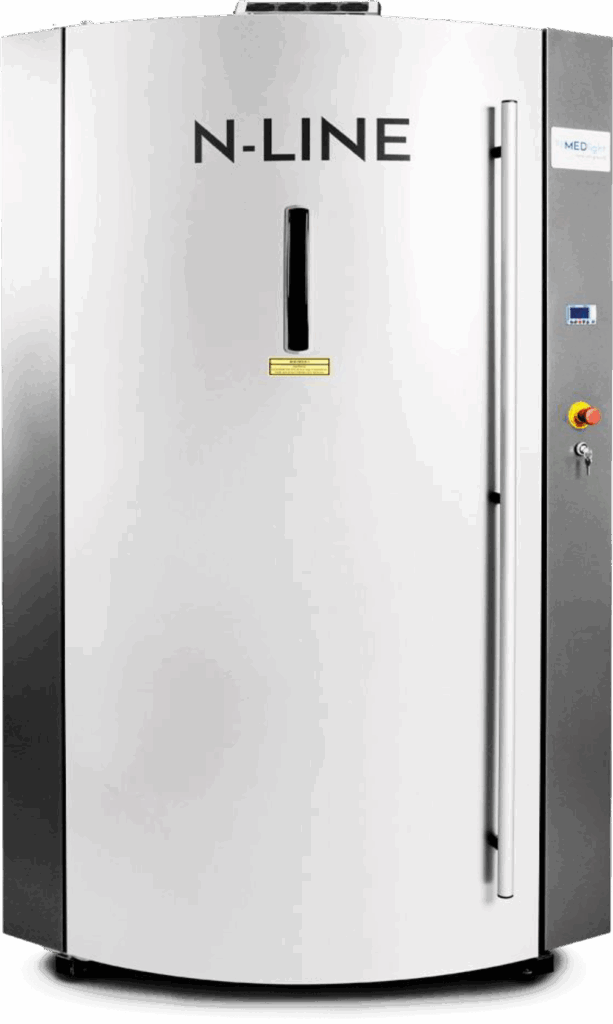
N Line
The Most Powerful and Capable Full-Body UV Phototherapy Cabinet
Offering Unmatched UV Phototherapy Solutions for Professionals
The N Line UV Phototherapy Cabinet is designed to provide highperformance treatment with exceptional safety and efficiency. Tailored to meet the needs of professionals, it incorporates a distinctive core design and advanced features, ensuring top-quality care for every patient.
Why Choose N Line?
The innovative design ensures that the distance between the UV source and the patient remains consistent, allowing for even treatment
Patented User-Centric Design
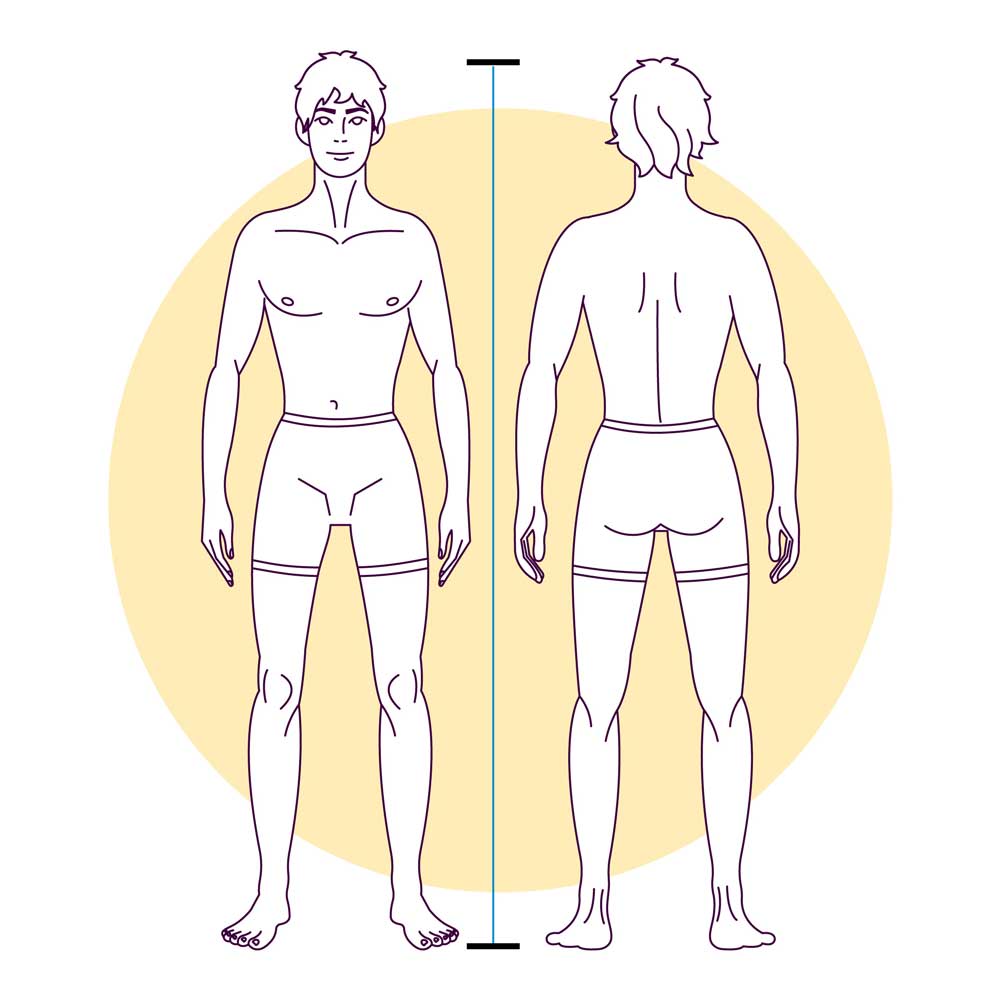
Accommodates Taller Patients
Designed to treat patients up to 2 meters (6.5 feet) in height, making it ideal for a wide range of individuals.
28 High-Efficiency UV Lamps
Equipped with 28 UV lamps for maximum coverage and efficiency, ensuring fast and effective treatments.
Industrial-Grade Controller
The advanced industrial-grade controller makes navigation easy, providing seamless operation and reliability.
Key Features
Dose Sense
Advanced sensors continuously monitor the UV output and provide real-time dosage calculations
ARC-Concept
The curved and oval cabin layout lamp arrangement is based on the human body and ensures a uniform distance to the skin.

Clean Flow
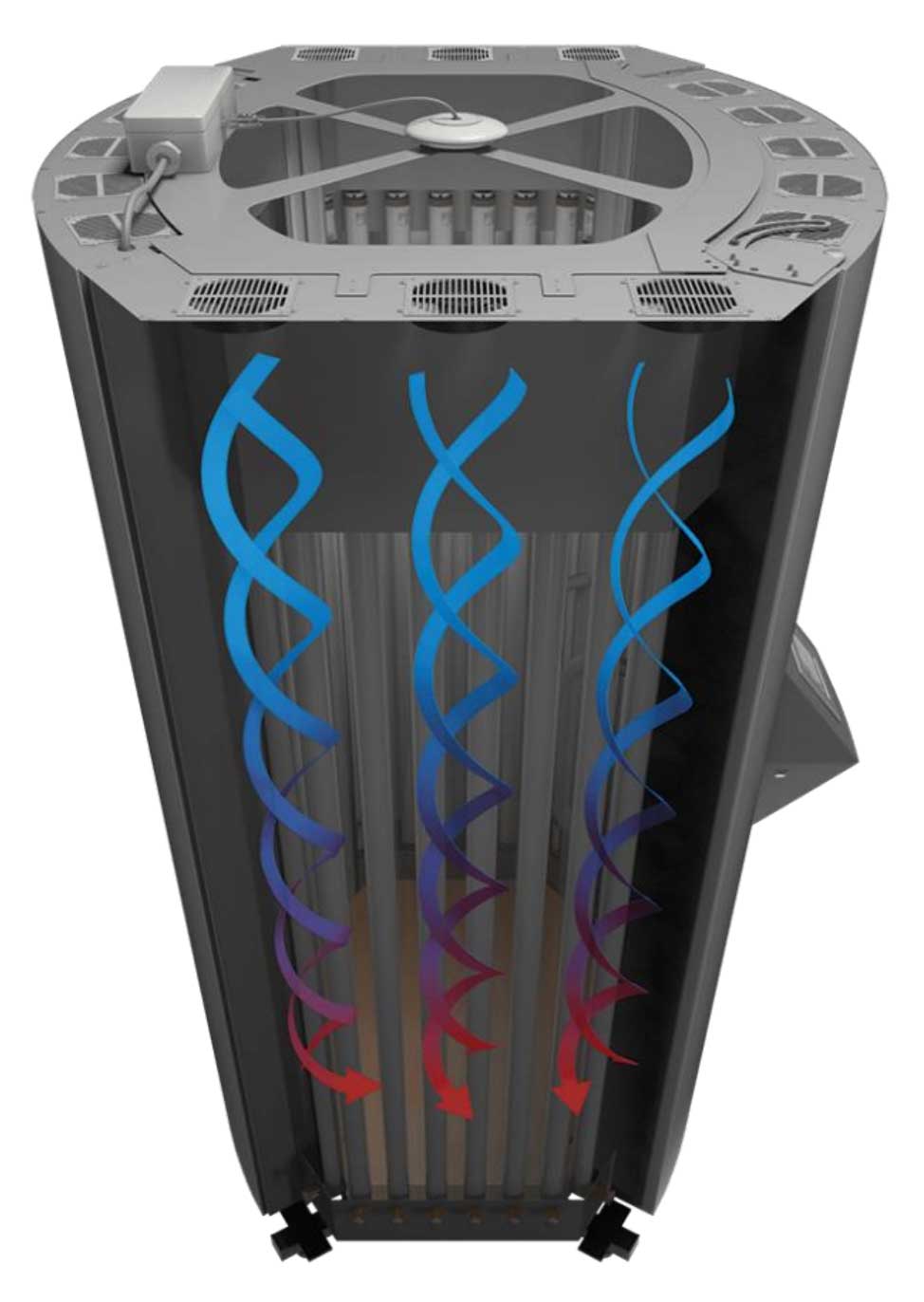
By channeling air through carefully engineered pathways, we reduce dust particles inside the equipment.
Crystal Clear Shield
The advanced polymer protects the lamps from dirt and damage while transmitting the UV light unhindered
Whisper Cool
The high-efficiency fan array maximizes the lamp's life and performance without interfering with your work.
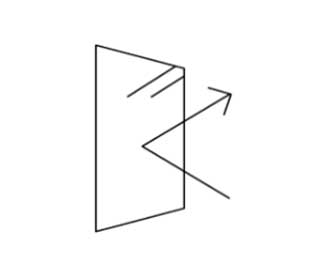
Reflex Pro
We utilize ultra-reflective back panels. The panels enhance the treatment environment, by visually expanding the space while maximizing the efficiency of the lamps.
2M EcoFlex
Intelligent placement allows 1.8m lamps to effectively perform as 2m lamps without wasting energy. This enables treatment for taller patients( 2m height ) and offering long-term cost savings with standard length lamps.
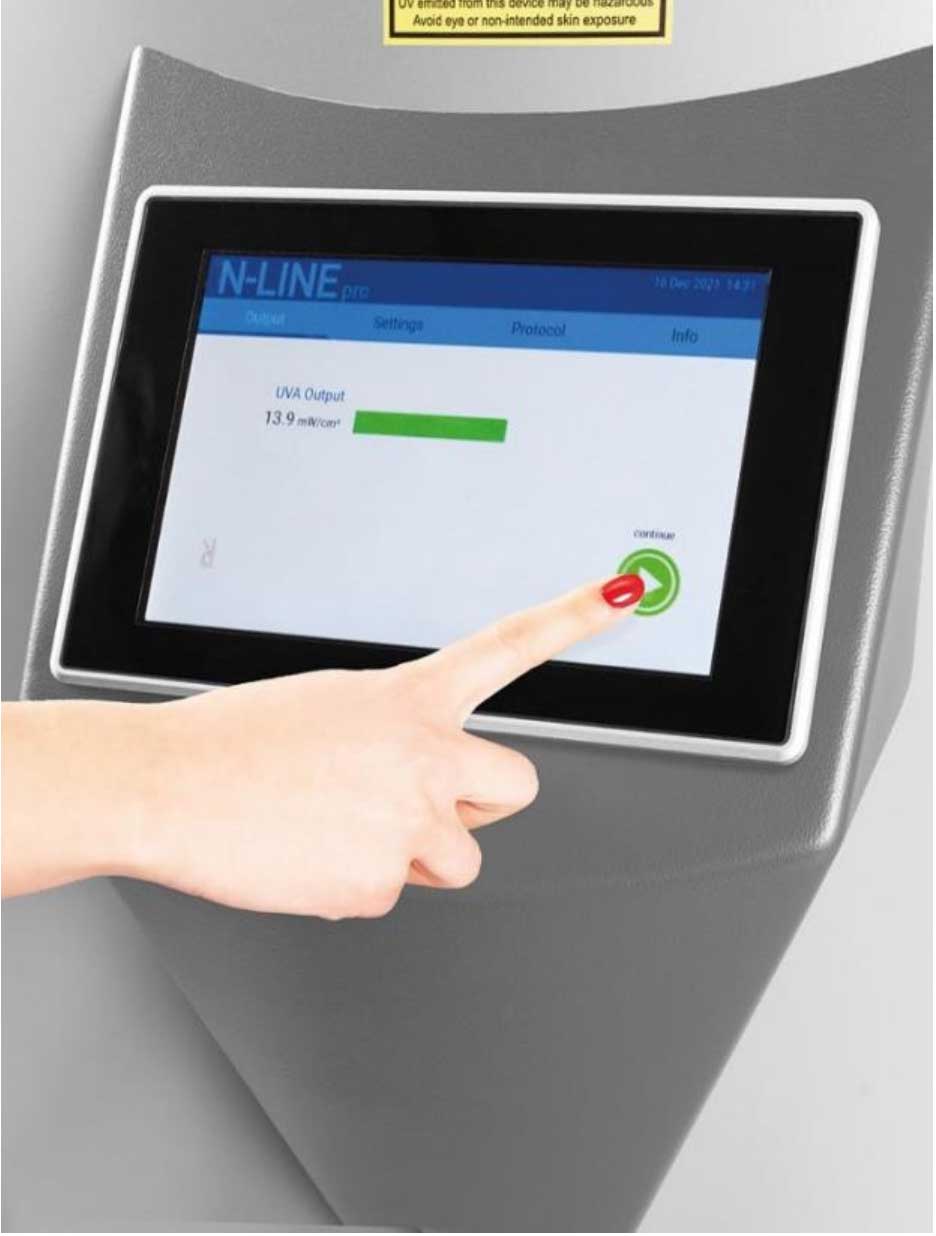
Guided Interface
The N-LINE pro comes equipped with a sleek touch screen that leads the operator through each step of the treatment setup. You can also set up profiles to simplify the procedure. Its smart interface provides step-bystep assistance and includes safety features to minimize dosage errors.
Smooth Air Technology (SAT)
Cooling is crucial as it ensures the lamps operate at their ideal temperature for optimal efficiency and effectiveness. Overheating can lead to decreased lamp lifespan and diminished UV output. The temperature management system is designed to enhance both the longevity and performance of the lamps.
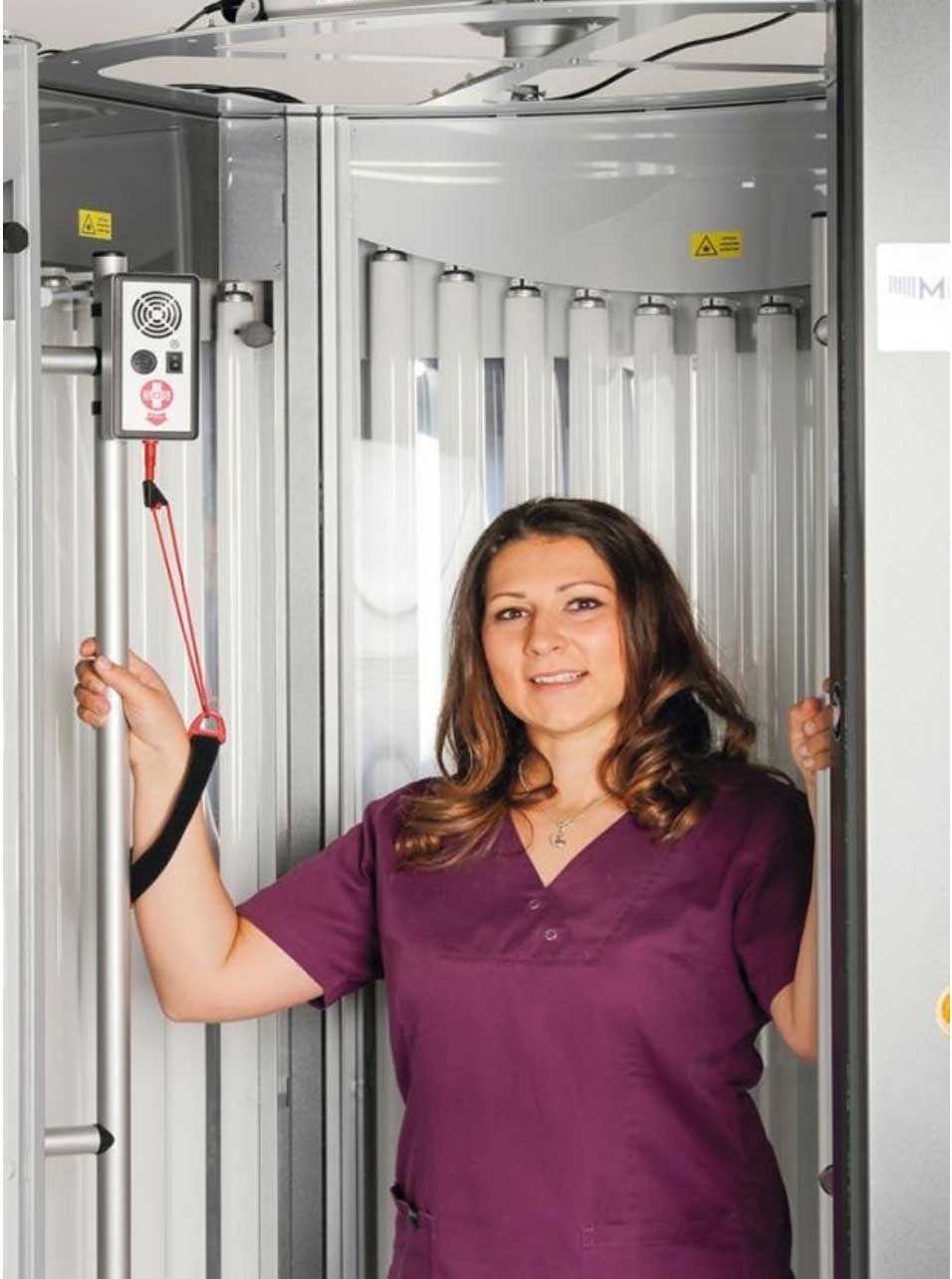
Safety Concept
- The cabin is secure and shut off.
- Treatment is immediately paused when the door is opened.
- An emergency handle identifies patient distress, halts the treatment, and alerts the staff.
- An emergency stop button is prominently placed on the exterior for quick access.
SKINdex
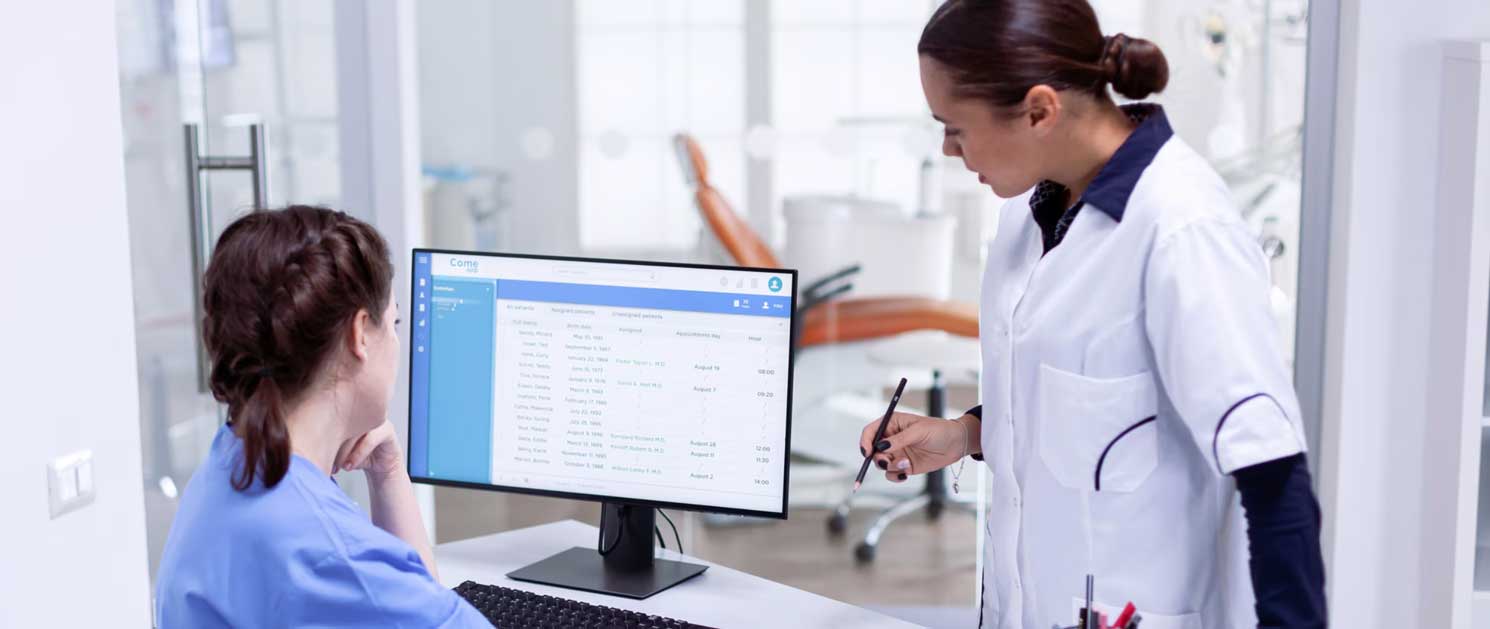
Remote Control
Control of up to two separate systems
Intercom/Video
Communicate via your controlstation
Therapy Planning
Create automated treatment plans
Benefits of SKINdex:
➢ Remotely control units
➢ Personalized treatment regime
➢ Tailortherapy plans that automatically
➢ Manage and analyze digital patient records
➢ Print ortransfer reports
➢ Provide guidance and identifies errors
| Technical Details: | |
|---|---|
|
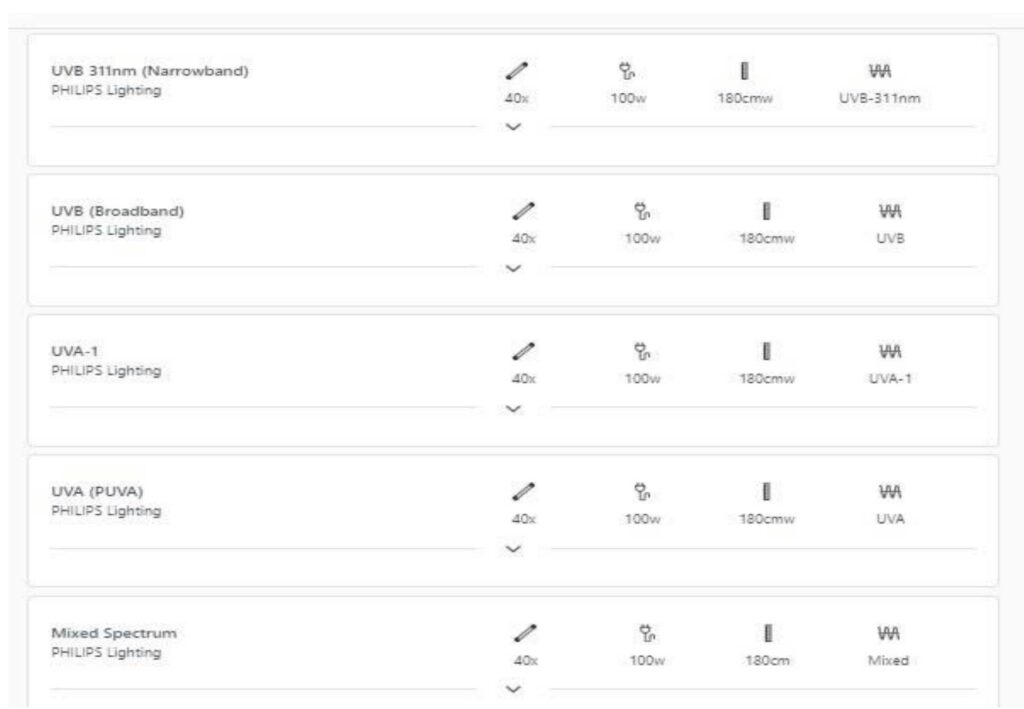
Lamps |
28 x 180 cm 100 W |
|
Brand |
Philips Lighting |
|
Spectrum |
UVA (PUVA), UVA-1, UVB-311nm (Narrowband), UVB
(Broadband) |
|
Mixed Spectrum |
It’s possible to install two different lamp types and choosebetween
the best treatment spectrum. The following combinations are
possible: UVA-1 and UVA (PUVA), UVB311nm (Narrowband) and UVB (Broadband) |
|
Voltage |
230V |
|
Frequency |
50Hz |
|
Consumption |
3200VA |
|
Height |
214cm |
|
Width |
121cm |
|
Depth |
114cm |
|
Weight |
280kg |
|
Control |
Industrial grade controller |
|
Language Support |
English, German, French, Spanish, Italian, Russian, Chinese |
|
Network |
Not Available
|
|
Remote Control |
Not Available |
|
Intercom |
Not Available |
|
Emergency Switch
|
Emergency off-switch on the outside |
|
Dosimetry |
4 x Dose Sense real-time sensors |
|
Window |
A UV-shielded privacy window allows performing a visual
check on the patient |
|
Stability Bars |
Two stability bars offer patients stability and support while
keeping them in the correct treatment position |
|
Emergency call |
Patient emergency-call handle |
Read More...
Here’s an enhanced version of your explanation about phototherapy and ultraviolet (UV) light:
What is Phototherapy?
Phototherapy, also known as light therapy, is a treatment that involves exposing the skin to bright ultraviolet (UV) light. It is
commonly used to treat various skin conditions, including:
The controlled exposure to UV light helps reduce inflammation and slows down the growth of skin cells, offering relief from these conditions.
What is Ultraviolet (UV) Light?
Ultraviolet (UV) light is a type of electromagnetic radiation that is part of the sun's natural light spectrum. UV light plays a crucial role in the body’s production of vitamin D, which is vital for bone health, immune function, and overall well-being. However, excessive exposure to UV light can be harmful and may lead to skin damage, premature aging, or skin cancer.
Types of UV Light
The UV spectrum is divided into three categories based on the wavelength of the light:
1. UVA (Long Wavelength)
- Wavelength: Greater than 320 nm
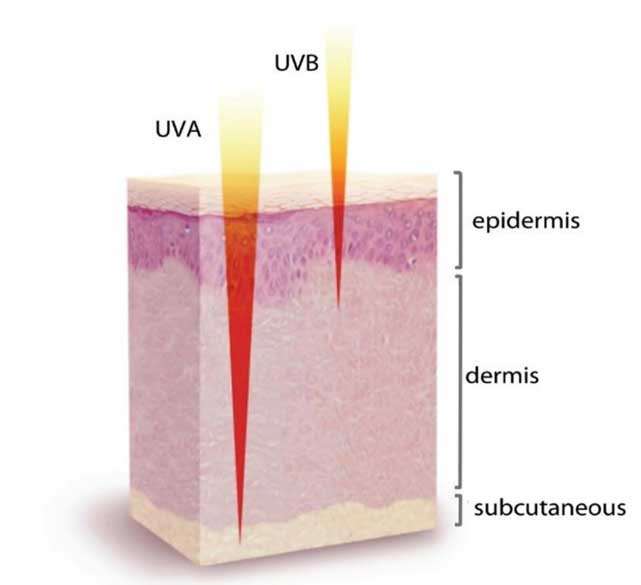
- Characteristics: UVA rays penetrate the skin more deeply and are responsible for aging and wrinkle formation. They can also contribute to skin cancer development.
- Wavelength: Between 290 nm and 320 nm
- Characteristics: UVB rays affect the outer layer of the skin, causing sunburn and contributing to the development of skin cancer. UVB exposure is also key in the production of vitamin D.
- Wavelength: Less than 290 nm
- Characteristics: UVC rays are the most dangerous but are completely absorbed by the Earth's atmosphere, so they don’t reach the surface. However, artificial sources of UVC light are used in germicidal lamps.
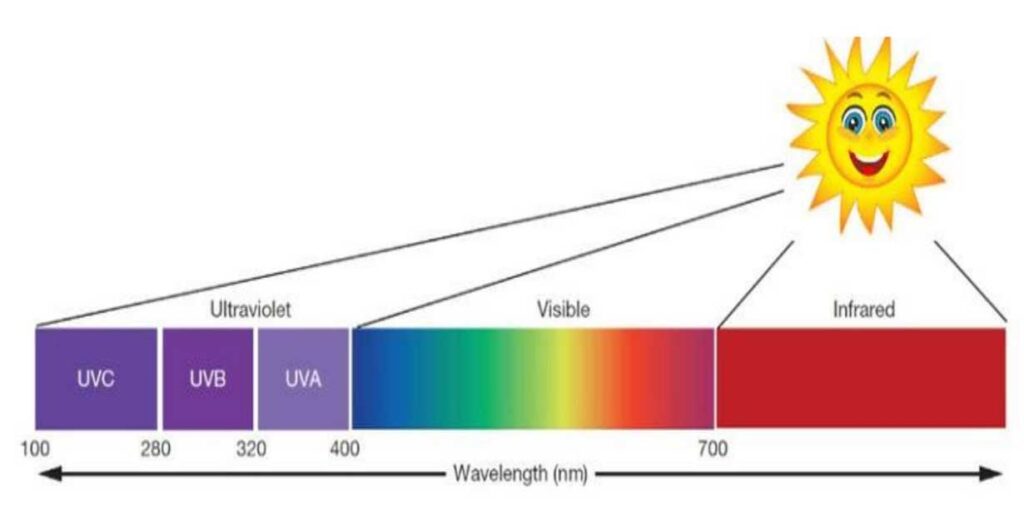
Types of Ultraviolet Light Used in Phototherapy
In phototherapy, two main types of ultraviolet (UV) light are
commonly used, each with distinct benefits for treating skin
conditions:
- 1. UVB (Ultraviolet B)
- o Wavelength: Medium (290 nm to 320 nm)
- o Penetration: Affects the outer layer of the skin (epidermis)
- o Benefits: UVB light is effective in treating a variety of skin
conditions, such as psoriasis, eczema, and vitiligo, by slowing
the growth of skin cells and reducing inflammation.
- o Risks: Overexposure can lead to sunburn and increase the risk
of skin damage and cancer. However, controlled UVB exposure
in a therapeutic setting is generally safe and effective.
- 2. UVA (Ultraviolet A)
- o Wavelength : Longer (320 nm to 400 nm)
- o Penetration : Penetrates deeper into the skin, reaching the
dermis layer
- o Benefits : UVA light is typically used in combination with certain
medications (like psoralen) in PUVA therapy. It helps treat
conditions like severe psoriasis and other chronic inflammatory
skin disorders.
- o Risks : Excessive UVA exposure can lead to sunburn, wrinkles,
and skin aging, as well as an increased risk of skin cancer due to
deeper penetration.
Different Colors of Phototherapy Light
Various colors of light are used in phototherapy for specific medical conditions. Each type of light serves a
distinct purpose:
- 1. Blue Light Therapy
- 2. Red Light Therapy
- o Type: Blue LED lights (similar to those from smartphones)
- o Common Uses: Primarily used for treating jaundice in newborns. Blue light helps break down
excess bilirubin in the bloodstream, which can accumulate in infants and cause jaundice.
- o Type: Red LED lights or lasers
- o Common Uses: Red light therapy is used to address wrinkles, redness, acne, and scarring. It
promotes skin rejuvenation, reduces inflammation, and stimulates collagen production for
better skin texture.
Is Phototherapy Safe for Everyone?
While phototherapy is generally safe, it might not be suitable for everyone. Certain conditions or factors may
increase the risks or make phototherapy treatments less appropriate:
- Sun allergies (photosensitivity)
- Certain skin cancers
- Pregnancy (consult a doctor for personalized advice)
- Liver disease
- Lupus or other autoimmune diseases
- Genetic disorders that affect skin sensitivity to light
- Medications that increase sun sensitivity (e.g., certain antibiotics, diuretics, and anti-inflammatory drugs)
For those with any of these conditions, it's important to consult with a healthcare provider before undergoing phototherapy to assess the risks and benefits.
What Conditions Can Phototherapy Treat?
Phototherapy has been found effective in managing a wide range of skin conditions, such as:
- Psoriasis: A chronic autoimmune condition that leads to rapid skin cell turnover, forming red, scaly patches.
- Eczema: A skin condition that causes inflamed, itchy, and dry skin.
- Itching: Phototherapy can help manage itching associated with various skin conditions.
- Vitiligo: A condition where patches of skin lose pigment due to the destruction of melanocytes.
- Mycosis Fungoides: A type of skin lymphoma that may respond to phototherapy.
- Morphea: A rare form of scleroderma, leading to patches of hardened skin.
Mechanism of Action in Vitiligo
Vitiligo is an autoimmune disorder that causes the skin to lose pigment in certain areas due to the destruction of
melanocytes, the cells responsible for producing melanin. Phototherapy treatments like PUVA (psoralen + UVA)
or narrow-band UVB are often used to help manage vitiligo.
How Phototherapy Works in Vitiligo:
This process helps restore pigment to the areas of the skin that have lost color, improving the appearance of vitiligo patches.
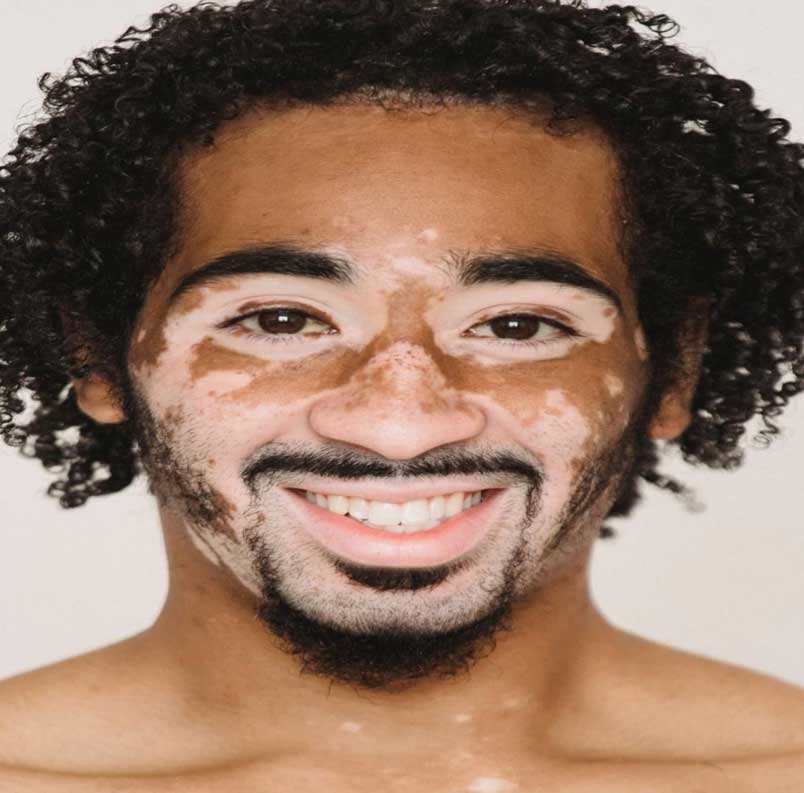
Here’s a detailed explanation of the mechanism of action of phototherapy in treating psoriasis:
Mechanism of Action in Psoriasis
Psoriasis is a common papulosquamous disorder characterized by well-demarcated,
red, scaly plaques on the skin. It is an autoimmune condition in which the immune
system triggers inflammation and rapid skin cell turnover, leading to the formation of
thickened, scaly skin.
Phototherapy, specifically narrow-band UVB (NB-UVB), is one of the most effective
treatments for managing psoriasis. The mechanism of action in psoriasis includes:
How Narrow-Band UVB Works in Psoriasis:
- Decreases Lymphocyte Proliferation
- Reduces Natural Killer (NK) Cell Activity
- Suppresses Cytokine Production (IL-2, IL-10)
- Overall Immune Suppression
- o Psoriasis is driven by an overactive immune system, particularly by T
lymphocytes (a type of white blood cell). Narrow-band UVB exposure helps
decrease the proliferation (rapid growth) of these lymphocytes, reducing
their contribution to skin inflammation and scaling.
- o Natural Killer (NK) cells play a role in the immune response and contribute
to skin inflammation in psoriasis. Narrow-band UVB light helps suppress NK
cell activity, which reduces the intensity of the immune attack on the skin.
- o Cytokines are signaling proteins that regulate immune responses. In
psoriasis, IL-2 (Interleukin-2) and IL-10 (Interleukin-10) are involved in
immune activation and the inflammatory process. Narrow-band UVB helps
suppress the production of these cytokines, thereby reducing inflammation
and the rapid skin cell turnover that leads to psoriatic plaques.
- o The combination of reducing lymphocyte proliferation, NK cell activity, and
cytokine production leads to a general suppression of immune activity.
This results in a decrease in the inflammatory response, which is
responsible for the plaques and skin lesions seen in psoriasis.
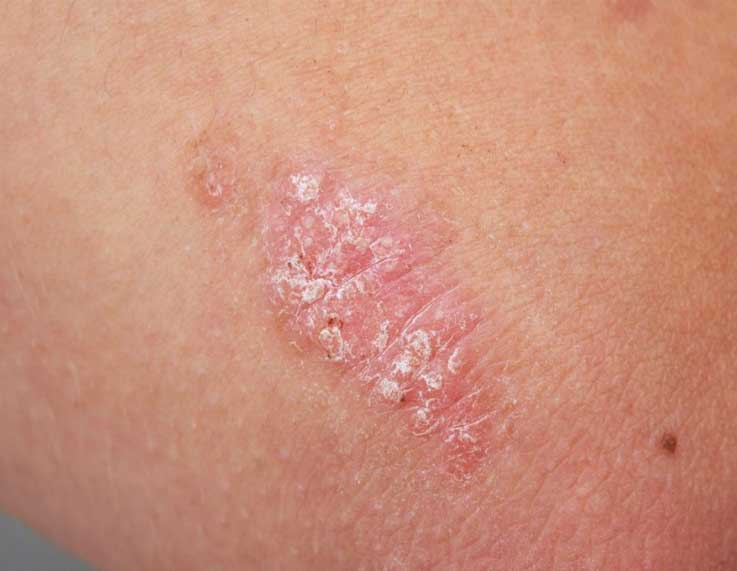
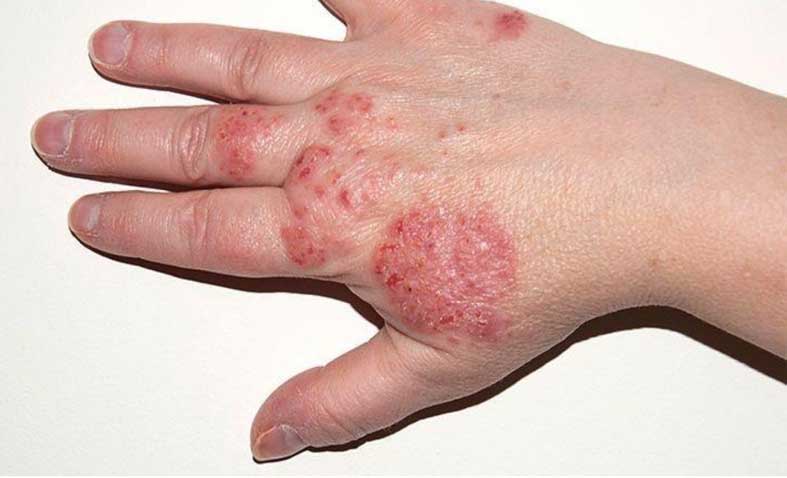
Mechanism of action in Eczyma
Eczema is a kind of dermatitis which can be seen over a large proportion of the skin. This condition is also treated with narrow-bandUVB phototherapy similarly as in psoriasis.
Whatshould you expect before, during, and aftera phototherapy procedure?
- Before the Procedure: Equipment setup, protective eyewear, sunscreen application, and possibly additional protective gear based on treatment area.
- During the Procedure: The treatment involves exposure to UVlight in a controlled manner, either through a UVB box, UVA lightwith psoralen, or excimer laser for targeted areas.
- After the Procedure: Follow-up instructions may include sunscreen use, avoiding sun exposure, and using moisturizers